Tankless vs. Regular Water Heaters: Choosing the Right Fit for You
Deciding on a water heater for your home or business is not always straightforward, given the variety of options available. At Colossal Plumbing, we often encounter customers weighing the pros and cons of tankless and regular water heaters. Each has unique benefits, and choosing the right one means considering factors like energy efficiency, cost, and your specific usage needs. In this blog, we’ll break down the essentials to help guide your decision-making process.
Understanding the Basics
Before diving into detailed comparisons, it’s crucial to understand each type's fundamental operation.
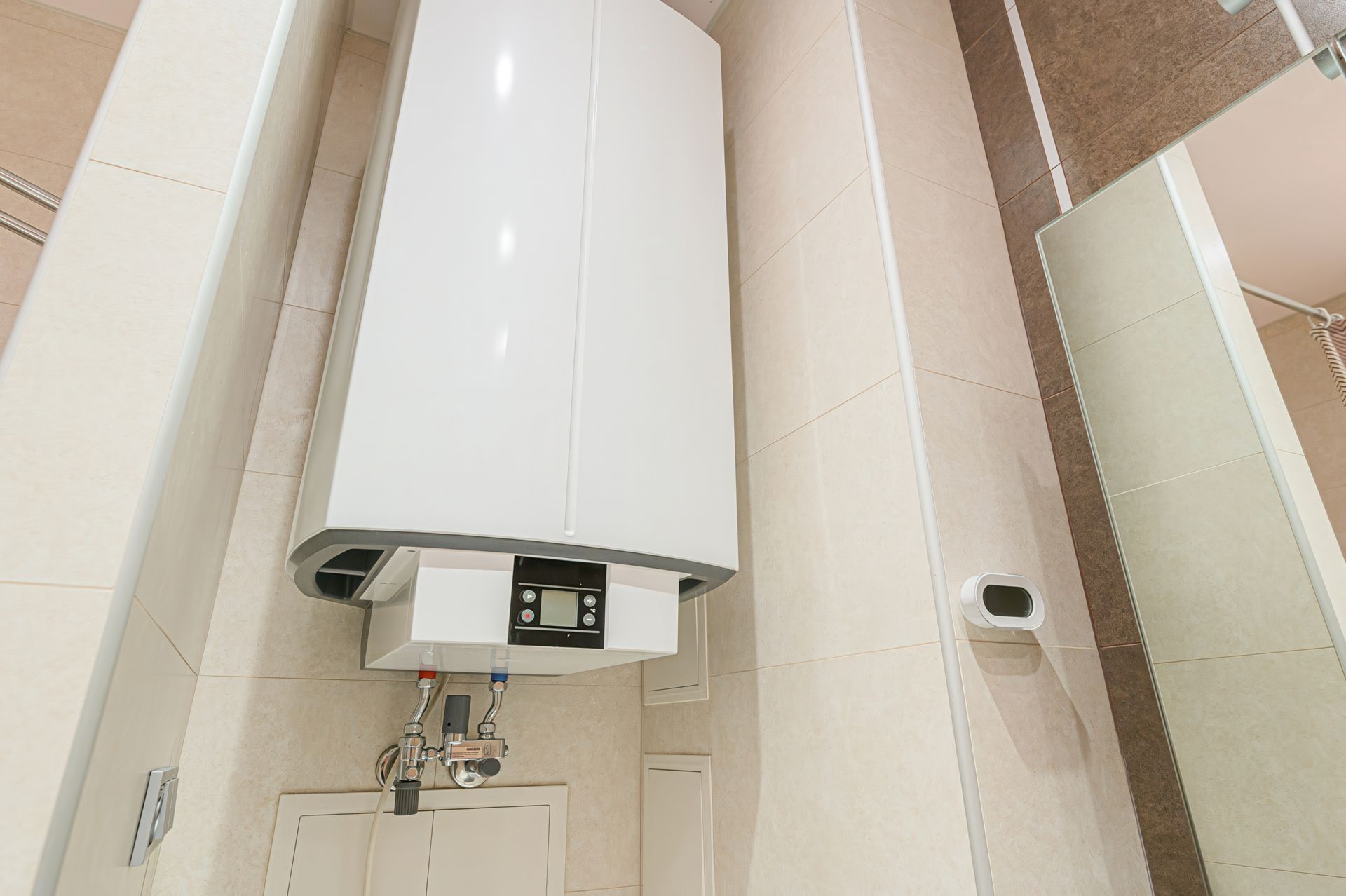
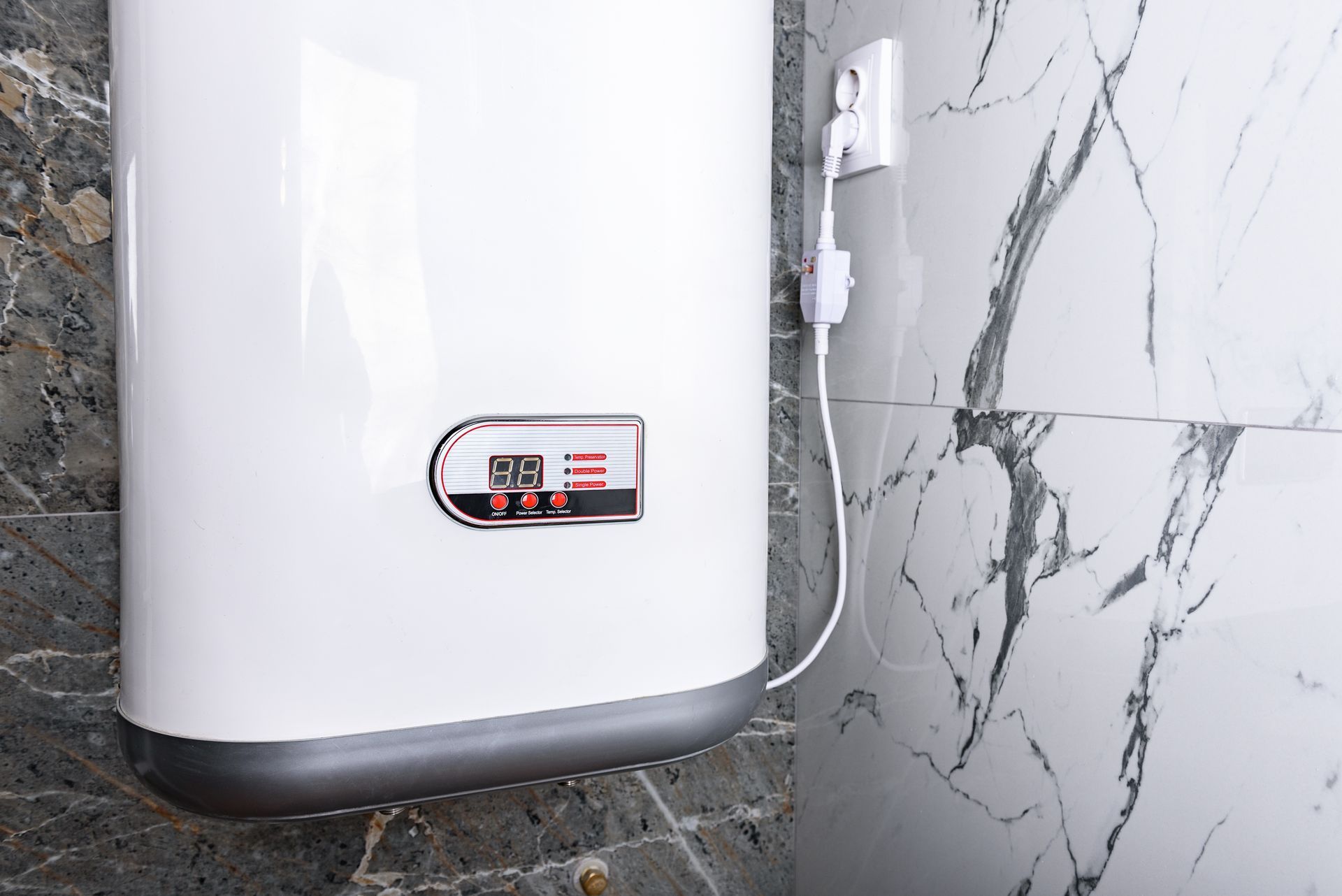
Tankless water heaters, also known as on-demand water heaters, heat water directly without the use of a storage tank. When a hot water tap is turned on, cold water travels through a pipe into the unit, where a gas burner or electric element heats the water. This allows for a constant supply of hot water.
Regular water heaters, on the other hand, store heated water in a tank and maintain that temperature until it is used. These heaters periodically turn on to keep the water in the tank at a consistent temperature, using energy throughout the day.
Energy Efficiency
One of the primary considerations when choosing a water heater is energy efficiency, as it impacts both the environment and your utility bills.
Tankless water heaters are known for their efficiency because they only heat water when it is needed. This can lead to significant savings, especially for households or businesses with lower hot water demand. According to the U.S. Department of Energy, for homes using 41 gallons or less of hot water daily, demand water heaters can be 24%–34% more energy-efficient than conventional storage tank water heaters.
Regular water heaters, particularly older models, tend to be less efficient due to the energy lost from keeping water hot in the tank, known as standby heat loss. However, newer models with better insulation can be more efficient compared to older ones.
Installation and Space Considerations
Another critical factor is the space available for the water heater and installation complexity.
Tankless models are compact, making them ideal for homes with limited space. They can be installed in smaller, less traditional locations, like a closet or crawl space, without needing to accommodate a large tank. However, installing a tankless water heater can be more complex and costly, as it may require upgrades to your home’s electrical system or gas lines.
Regular water heaters, with their larger tanks, require more space. If you're replacing an existing tank system, installation is often straightforward and less costly. However, planning for the future is important, as new installations in homes that never had a tank system can be more involved.
Cost Analysis
Cost is an important aspect when choosing a water heater, from both an installation and operational perspective.
Tankless water heaters generally have a higher upfront cost compared to traditional models. Prices can be influenced by the unit’s brand, size, and whether additional electrical or gas line adjustments are required. However, this initial investment can be offset by longer-term energy savings and a longer lifespan, as tankless systems tend to last up to 20 years, compared to 10–15 years for conventional systems.
Regular water heaters are less expensive initially, making them attractive for those with immediate budget constraints. While they may incur higher ongoing energy costs, the simplicity and lower cost of replacements can balance the overall expense over time.
Performance and Reliability
Both types of water heaters offer performance advantages based on different needs.
Tankless systems provide a continuous flow of hot water, which is superb for larger families or businesses that experience peak usage times, as they won’t run out of hot water. Yet, the flow rate can be a limitation, especially if multiple outlets require hot water simultaneously.
Regular water heaters deliver hot water reliably from a reserve, but users may exhaust hot water if demand exceeds production capacity, which can be inconvenient during high-usage periods. Advances in technology continue to mitigate these limitations, improving reliability.
Making Your Decision
Choosing between tankless and regular water heaters involves weighing your specific needs against the features and costs of each type. Consider your water usage patterns, space, and budget. At Colossal Plumbing, we encourage homeowners and businesses to also think about their long-term plans, as water heating needs may change with time.
Make an Informed Choice for Comfort and Efficiency
Water heating is a crucial element of comfort in any property. Making an informed decision between tankless and regular systems ensures you maximize both efficiency and performance. Our team at Colossal Plumbing is here to guide you through the process, providing expert advice tailored to your needs. Whether you're looking to reduce your energy bills or need a system that promises a continuous hot water supply, we have the expertise to help you make the best choice.
Get in Touch with Colossal Plumbing Today
Still unsure which water heater is right for you? Reach out to Colossal Plumbing today! With over 22 years of experience, our knowledgeable team is ready to provide personalized recommendations and professional installations. Enhance your comfort and efficiency with our high-quality plumbing solutions. Call us now and ensure your water heater needs are met with precision and care.
Share This Blog